Exceeding expectations
Providing clear answers to skip hire questions in Dorset and surrounding areas.
Have a question about skip hire in Dorset? You’re in the right place. We know that arranging a skip can sometimes be confusing—whether it’s choosing the right size, organising delivery and collection, or understanding what waste is allowed.
With over 20 years’ experience helping homeowners, builders, and businesses across Dorset, we aim to make waste disposal straightforward, convenient, and environmentally responsible. In fact, up to 85% of all waste we collect is recycled, so you can be confident you’re making an eco-friendly choice.
Below, you’ll find answers to the most common skip hire questions, from permits and booking to what you can put in your skip and pricing. Can’t find what you’re looking for? Our friendly team is always happy to help.
Want more info?
Talk to our team.
Get expert advice and to arrange a free quotation for your project.
Skip Hire Process in Dorset
It’s best to book your skip 24 to 48 hours in advance to guarantee availability, particularly during busy periods. For larger projects, we recommend booking several days ahead to secure your preferred delivery date.
Booking a skip with Dorset Skips is quick and easy. Simply give us a call, and our friendly team will guide you through the process, helping you choose the right skip size for your needs. Whether you’re working on a home renovation, garden clearance, or construction project, we have a range of skips available from 2 to 12 yards. Once you’ve selected the right skip, we’ll arrange a convenient delivery time. If you need a permit for placing the skip on a public road, we can also handle that for you, ensuring a hassle-free experience.
To ensure availability, we recommend booking as early as possible, especially during busy periods. However, we understand that waste disposal needs can arise unexpectedly, so we do our best to offer same-day or next-day delivery where possible. If you have any special requirements, such as an extended hire period or multiple skip exchanges, just let us know—we’re happy to accommodate your needs.
On the scheduled delivery day, our experienced drivers will transport the skip to your specified location. We take care to position the skip safely and conveniently, ensuring it does not obstruct access or cause any disruption. If you have a preferred placement spot, let us know in advance, and we’ll do our best to accommodate your request. For skips placed on a public road, we ensure all necessary permits and safety measures are in place.
Once delivered, you can start filling the skip with permitted waste materials. Our skips are sturdy and designed to handle a variety of waste types, from household clutter and garden waste to construction debris. If you have any questions about what can or cannot go into the skip, our team is available to provide guidance, ensuring your waste is disposed of correctly and in compliance with regulations.
Once you have filled the skip or no longer need it, simply give us a call to arrange collection. We strive to offer prompt and reliable pickup, ensuring your waste is removed efficiently without unnecessary delays. If you require an earlier collection than initially planned or need to extend the hire period, just let us know, and we’ll make the necessary arrangements to suit your schedule.
When we collect the skip, we transport the waste to our recycling facility, where we sort and recycle up to 85% of materials. This ensures that as much waste as possible is repurposed rather than sent to landfill, making our service an environmentally responsible choice. If you require ongoing waste disposal, we can also arrange regular collections or skip exchanges to keep your project running smoothly.
If you find that your skip fills up faster than expected or your project generates more waste than anticipated, don’t worry—we offer flexible solutions. Simply contact us to arrange an exchange, where we collect the full skip and replace it with an empty one, ensuring minimal disruption to your work. This service is ideal for larger projects or long-term waste management needs.
For customers who require multiple skips over an extended period, we also offer trade accounts and tailored waste management solutions. Whether you need a skip on a one-time basis or as part of an ongoing service, we provide cost-effective options that help keep your site clear and efficient. If you’re unsure about your waste disposal needs, our team is happy to discuss the best approach for your specific situation.
While not mandatory, being on-site makes the delivery and collection process easier. If you can’t be available, just provide clear instructions for our driver and we’ll place the skip as directed.
Skip Hire Sizes
Choosing the right skip size depends on the amount and type of waste you need to dispose of. At Dorset Skips, we offer a range of sizes, from small 2-yard skips for minor household clearances to larger 12-yard skips suitable for bulky waste and commercial projects. If you're unsure which size best suits your needs, our experienced team can advise you based on your project type, helping you avoid paying for space you don’t need or ordering a skip that’s too small.
For general household or garden waste, a 4- or 6-yard skip is usually sufficient. For renovation projects, an 8-yard skip is a great option, while larger construction or commercial jobs may require a 12-yard skip. Keep in mind that skips have weight restrictions, so if you're disposing of heavy materials like soil, bricks, or concrete, a smaller skip may be more suitable. If you’re uncertain, just give us a call—we’re happy to help!
For a typical home clearance, mini skips (2–3 cubic yards) suit single rooms or garages, midi skips (4–5 cubic yards) are ideal for larger areas, and builders skips (6–8 cubic yards) are best for clearing multiple rooms or entire homes.
Midi skips (4–5 cubic yards) are usually best for garden waste like branches, soil, and shrubs. Smaller jobs, like trimming hedges or lawn clippings, can fit into a mini skip (2–3 cubic yards).
For renovation projects, choose a skip based on the volume of waste: mini skips for small bathroom or kitchen renovations, midi skips for medium projects, and builders skips for major renovations with large amounts of debris.
Mini, midi, and builders skips differ in capacity and use:
-
Mini skips (2–3 cubic yards): Small domestic jobs or garden waste.
-
Midi skips (4–5 cubic yards): Medium projects like room clearances or small renovations.
-
Builders skips (6–8 cubic yards): Large DIY or construction projects with heavy debris.
Unsure which to choose? Our skip sizes guide provides detailed comparisons.
For heavy materials, like soil, concrete, or rubble, builders skips (6–8 cubic yards) are recommended because they can handle more weight safely without being overloaded.
For furniture disposal, the right skip size depends on the amount and type of furniture:
-
Mini skip (2–3 cubic yards): Suitable for a few small items, such as chairs, tables, or a small sofa.
-
Midi skip (4–5 cubic yards): Ideal for multiple pieces of furniture or a room clearance, including beds, wardrobes, and sofas.
-
Builders skip (6–8 cubic yards): Best for clearing several rooms or large items from a full house, including bulky sofas, wardrobes, and kitchen units.
If you’re unsure, our skip sizes guide can help you choose the most suitable skip for your furniture disposal needs.
The most popular skip size for domestic projects in Dorset is the midi skip (4–5 cubic yards) because it balances capacity and convenience for typical household waste.
When choosing a skip size, consider the volume and type of waste, the weight of materials, and the space available for placement. Also think about the duration of hire, whether you need a permit for road placement, and if your project might generate unexpected extra waste, so you don’t risk overfilling the skip.
Skip Hire Waste Guidelines
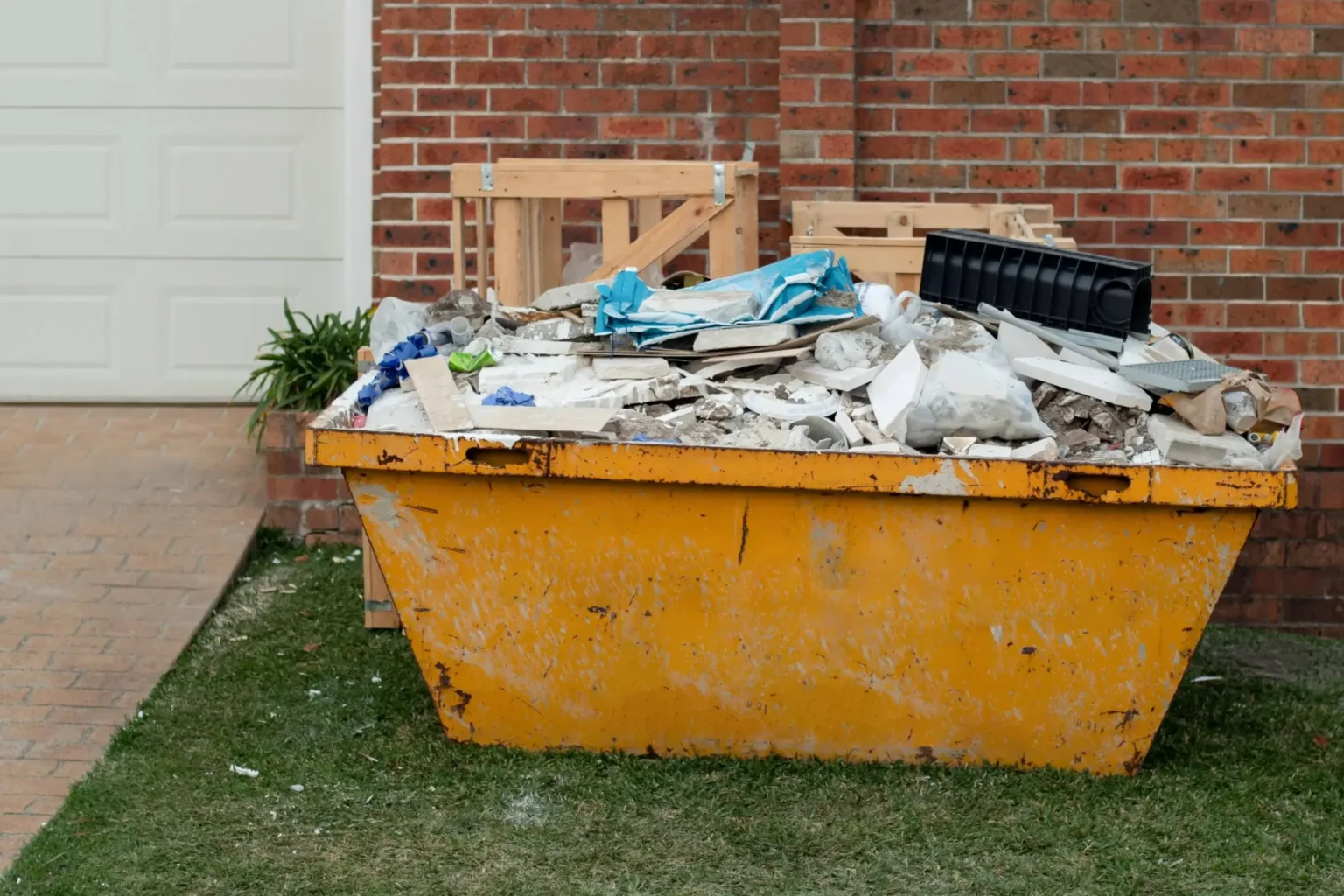
Our skips can be used to dispose of a wide variety of waste, including household items, garden waste, furniture, non-electrical fixtures, wood, metal, plastic, and general construction debris. We aim to recycle up to 85% of all waste collected, so using a skip is a responsible and convenient way to manage waste disposal.
However, there are certain materials that cannot be placed in a skip due to environmental and safety regulations. These include hazardous waste such as asbestos, batteries, chemicals, paint, gas cylinders, electrical appliances, and medical waste. If you need to dispose of restricted items, our team can advise on the best alternative disposal options to ensure compliance with legal requirements.
Yes, you can mix general household and garden waste in a standard skip. However, some materials like hazardous waste, electrical items, or chemicals must not be combined and have separate disposal rules.
Yes, most skips allow a mix of garden and household waste. Just ensure large branches are broken down to fit, and avoid prohibited items like soil, asbestos, or toxic chemicals unless you have the appropriate skip type.
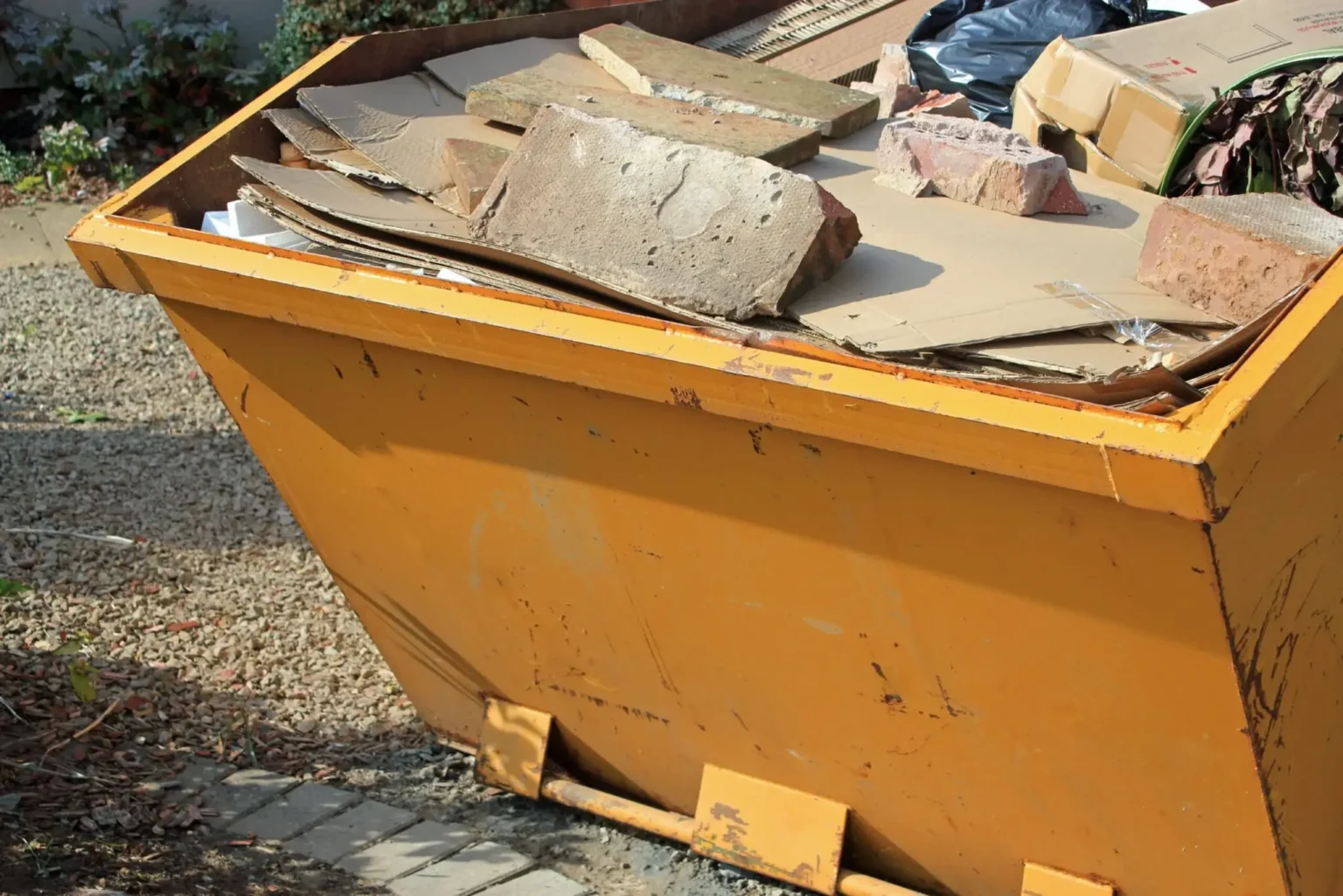
Yes, heavy materials such as soil, bricks, concrete, or rubble can quickly exceed the skip’s weight limit. For these materials, consider a builders skip and inform us about the type of waste so we can advise on weight limits.
No, hazardous or toxic waste cannot be disposed of in standard skips. This includes items like asbestos, paints, solvents, gas cylinders, and batteries. Dorset Skips can advise on safe and legal disposal options for these materials
Yes, commercial skips often have stricter guidelines, especially for heavy or hazardous waste. Businesses must follow waste disposal regulations and may require permits for certain types of materials.
No, electrical items such as fridges, freezers, TVs, and computers are not allowed in standard skips due to hazardous components. We can provide guidance on safe disposal or recycling for these items.
At Dorset Skips, we are committed to responsible waste disposal and environmental sustainability. Once your skip is collected, the waste is transported to our recycling facility, where it is sorted and processed. We currently recycle up to 85% of all waste, reducing landfill waste and ensuring as many materials as possible are repurposed.
Recyclable materials such as wood, metal, plastics, and rubble are separated for reuse, while non-recyclable waste is disposed of in accordance with legal and environmental regulations. By choosing Dorset Skips, you’re not only ensuring a convenient waste disposal solution but also making an eco-friendly choice that helps protect the environment.
If prohibited items are added by mistake, contact us immediately. We may need to remove these items safely, and additional charges could apply. Always check our list of restricted items before filling the skip.
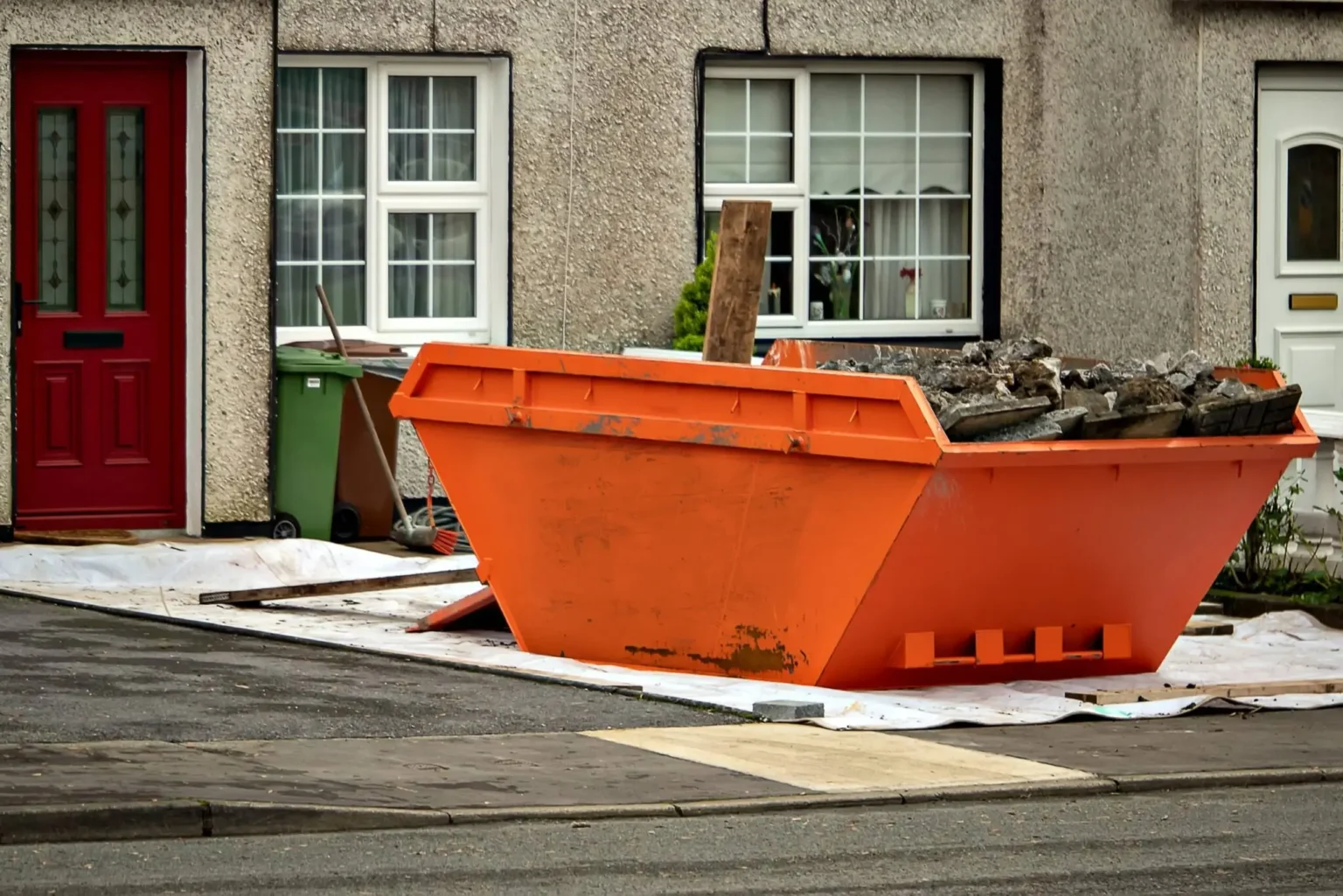
For safety and legal reasons, skips must not be filled beyond the top edge. Overloaded skips can be dangerous to transport and may result in additional charges or refusal of collection. To avoid issues, make sure that all waste is kept within the designated fill line.
If you find that you have more waste than anticipated, we recommend ordering a larger skip or arranging an exchange for a new skip once the first one is full. Our team is happy to advise on the best option based on your waste volume, ensuring a smooth and cost-effective disposal process.
Skip Hire Permits & Skip Placement
If you plan to place the skip on private property such as a driveway or construction site, you do not need a permit. However, if the skip needs to be placed on a public road or pavement, you will require a skip permit from the local council. The permit ensures the skip is legally positioned and does not pose a hazard to traffic or pedestrians.
At Dorset Skips, we can arrange the permit for you as part of our service, making the process hassle-free. Permit costs and approval times vary depending on the local council, so we recommend letting us know in advance to avoid delays. In some cases, you may also need safety measures like lights and cones around the skip, which we can provide guidance on.
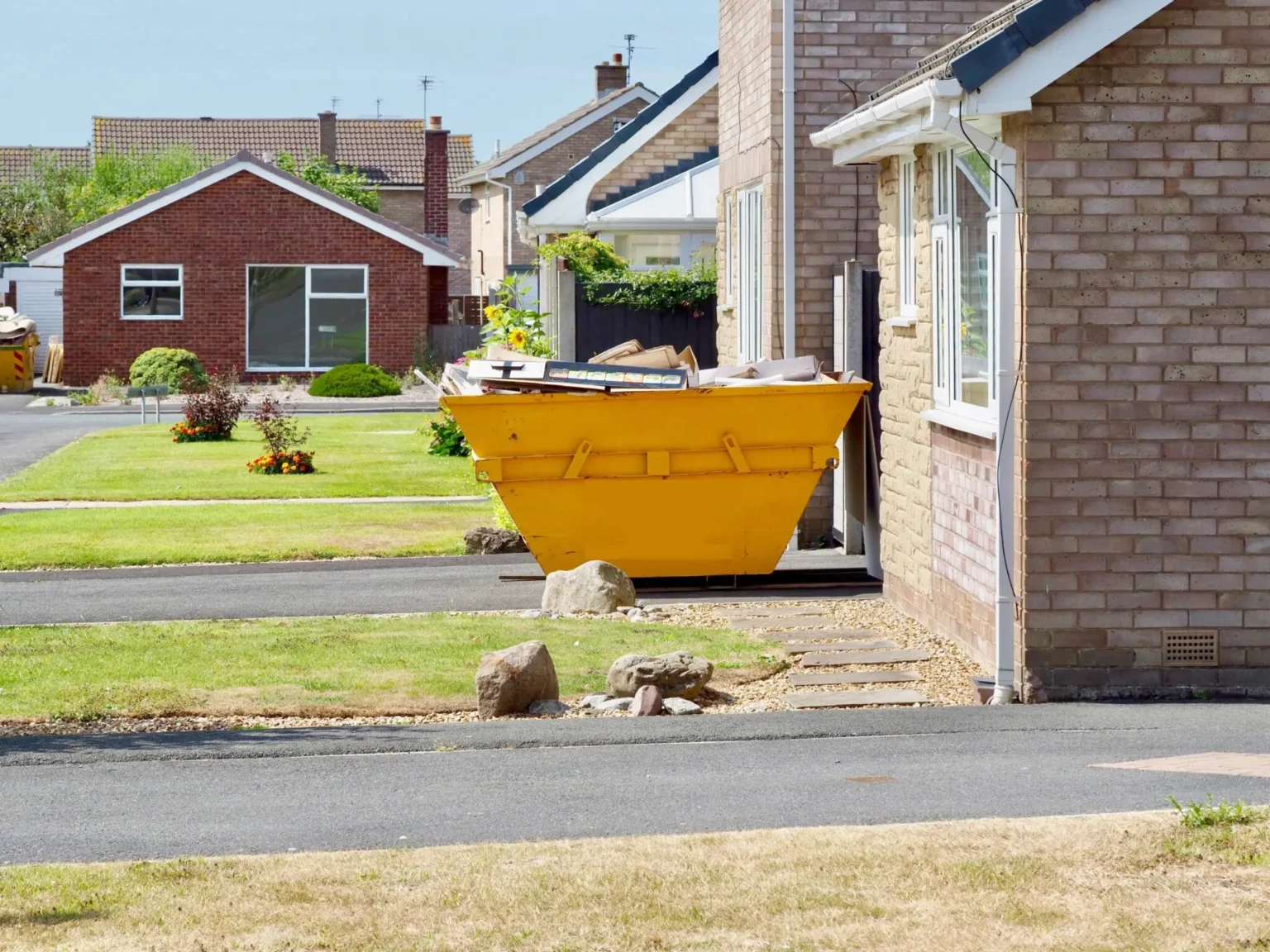
Yes, you can place a skip on your driveway as long as there is enough space for safe delivery and collection. Our delivery vehicles need sufficient access, so if you have a narrow driveway or obstructions like low-hanging branches or parked cars, it’s best to let us know in advance.
If you’re concerned about potential damage to your driveway, we can provide advice on protective measures such as placing wooden boards under the skip to distribute the weight. Our team will carefully position the skip to minimize any impact on your property while ensuring easy access for waste disposal.
If a skip is placed on a public road without a valid permit/licence, there are a few possible consequences:
-
The local council can issue a fine.
-
They may require the skip to be removed.
-
You could incur additional fees if the skip overhangs or obstructs the highway and isn’t legally authorised.
Yes, there are several restrictions to be aware of:
-
You cannot place a skip on double yellow lines, in restricted zones, or where parking bans apply unless special permission is granted.
-
Skips should not obstruct pedestrian footpaths, manholes, fire hydrants, or any utility access.
-
The skip should be placed parallel to the edge of the carriageway (road), not sticking out into active traffic lanes.
-
If space is narrow, the council may refuse a permit or ask you to move it to another location.
Yes — when a skip is placed on a public road, there are safety requirements:
-
It must have reflective or fluorescent markings (often a red-and-yellow diagonal striped panel) on visible ends.
-
You need road danger lamps (lights) at night on or around the skip.
-
Traffic cones may be required to protect or mark off the skip, especially if part of the skip protrudes or there is risk to road users.
Skip Hire Costs & Duration
The cost of hiring a skip depends on several factors, including the skip size, the duration of hire, and whether a permit is required. Smaller skips are more affordable, while larger builders skips cost more due to their capacity. At Dorset Skips, we pride ourselves on offering competitive pricing with no hidden fees. We provide clear, upfront quotes so you know exactly what to expect.
To get an accurate price for your skip hire, simply contact us with details of your project, and we’ll provide a tailored quote. We also offer trade accounts and discounts for long-term or bulk bookings, making us a cost-effective choice for both domestic and commercial waste disposal.
Our standard skip hire period is typically between 7 and 14 days, depending on your needs. If you require the skip for a longer duration, we offer flexible hire periods and can arrange extensions at an additional cost. Simply let us know your expected timeframe, and we’ll work with you to provide the most convenient solution.
If you finish with your skip earlier than expected, you can contact us to arrange a prompt collection. We strive to be as flexible as possible, ensuring that your waste is collected efficiently and that your space remains clear. For ongoing waste disposal, we also offer skip exchanges, where we replace your full skip with an empty one to keep your project moving without interruptions.
Yes, businesses often require longer or recurring skip hire. Dorset Skips offers flexible contracts and collection schedules to suit commercial projects, including long-term or multiple skip hire solutions.
If collection is delayed, Dorset Skips will keep you informed and arrange collection as soon as possible. You won’t be penalised for delays on the company’s side. If you need the skip longer, it’s best to request an extension.
Yes, skip hire prices vary by skip size (mini, midi, builders) and sometimes by location due to council permit costs or transport distance. Dorset Skips ensures pricing is competitive across the county.
Got the answers you need?
Secure your skip hire quickly and easily with Dorset Skips.